Most families do not pay for cleaning to have shiny floors. They pay to get breathing room. The hours between work, school pickups, practice, dinner, and laundry are already spoken for, and weekends disappear under piles of tiny obligations. A reliable residential cleaning service does more than tidy a house, it buys back energy, attention, and time.
After years running a home cleaning company and training dozens of professional cleaners, I have learned that success starts long before the first mop bucket comes through the door. Reliability is the product of clear expectations, practiced technique, thoughtful scheduling, and transparent pricing. When all of that comes together, the work feels effortless, even when it is anything but.
What reliability looks like in real life
Reliability is a pattern, not a promise. It shows up when the crew arrives on time with the right tools, when a smudge on the oven door that was missed once is never missed again, and when a client can text a quick note about a sick toddler and know the team will use fragrance free products that day. It is the difference between a one off tidy and a home that stays consistently clean month after month.
For a busy family, reliability shows up in small comforts. Light switch and surface cleaning is handled so the high touch spots do not become a game of hot potato during flu season. Floor cleaning and mopping happens on the same day each week, so you can plan playdates without worrying about muddy footprints. Bathroom cleaning does not cut corners, and baseboard cleaning is not an empty promise. When routines match your life, you stop thinking about chores entirely.
The core of a dependable service
A professional house cleaning operation runs on systems. A good residential cleaning company builds detailed checklists for different service levels, trains house cleaners to follow them, and tracks outcomes. New hires are paired with senior teammates. Supervisors spot check homes. If something gets missed, the company does not debate it, they fix it and log it. That workflow is what supports great customer relationships over time.
On the client side, you should see three things consistently. First, a written scope of work that spells out what your home cleaning service includes and does not include. Second, a clear time estimate for each visit based on the size and condition of your home, with a plan for occasional deep tasks like kitchen deep cleaning or grout work. Third, straightforward pricing that reflects labor, supplies, travel time, and the effort needed to reach your standard.
When one of those pieces is fuzzy, reliability suffers. If dusting and sanitizing is listed but the team is not given time to move knickknacks or reach high shelving, you will be disappointed. If the quote is rock bottom, turnover will be high and training light. You cannot get consistent outcomes without investing in the people who do the work.
What actually happens during a quality clean
Families often ask what a typical visit includes. There are variations by company, but you can expect a base routine plus targeted tasks on rotation. In an average three bedroom, two bath home, a two person team spends about two and a half to three and a half hours on a standard clean, depending on clutter and the level of detail you prefer.
The kitchen usually sets the tone. Professional cleaners start with vertical surfaces, upper cabinets, and the range hood, then move to counters and the sink to avoid rework. Kitchen deep cleaning is often scheduled quarterly, when teams pull the stove, clean behind appliances, degrease oven racks, and detail the backsplash grout. On weekly visits, the focus returns to high use surfaces, small appliance wipe downs, and a careful pass under counter edges where crumbs collect.
Bathroom cleaning follows a predictable order, but that does not make it simple. The best crews let cleaners dwell for a few minutes where hard water and soap scum need it, then scrub and rinse to a streak free finish. They polish mirrors last to avoid overspray, and they do not skip the base of the toilet or the tricky hinge areas. When families have young kids, we adjust to safe detergents that still sanitize. In homes with stone showers, we switch to stone safe products to protect seals and grout, and we lower acidity during regular maintenance to prevent etching.
Living spaces and bedrooms benefit from a top to bottom method. Dusting and sanitizing begin with ceiling fans and light fixtures, then move to frames, mantels, and shelves, before transitioning to furniture surfaces. Light switch and surface cleaning happens room by room so high contact points are never forgotten. We train staff to dust dry first, then lightly damp wipe only where build up calls for it. That avoids streaks on wood and limits residue. Baseboard cleaning is tackled in zones, not every visit, unless pets or toddlers are constant scuff sources. When it is time to do baseboards, a microfiber wrapped putty knife gets into the lip and under trim where lint and hair hide.
Floor cleaning and mopping is the finale. Vacuums go first throughout the house with the right attachments for edges and stairs. Mopping only happens after dusting is complete. On hardwood, we use a near dry method with a pH neutral cleaner, paying special attention to high traffic paths. On tile, grout lines get a slightly different motion with a flatter mop to avoid pushing dirty water into crevices. On carpet, we crisscross vacuum paths for better lift. The difference between a rushed floor and a finished floor is often five extra minutes and the patience to swap a pad as soon as it loads up.
Scheduling that respects real family life
A residential cleaning service should flex to the rhythm of your home. Families with toddlers often want morning slots sanitation and hygiene services before naps. Night shift nurses may prefer late afternoons. If you have a dog that is skittish with vacuums, you may want alternating weeks for more predictable stress. With school age kids, a 9 a.m. Midweek schedule often gets you the quietest window and the most consistent arrival.
Reliability is not only about calendar slots, it is also about team consistency. Seeing the same professional cleaners each visit builds trust. They learn where you keep extra trash bags, which blanket is the baby’s favorite, and how to lift the old latch on the back door without a clang. Companies that prioritize team stability usually have better outcomes and fewer surprises.
You will get the smoothest service if you choose a cadence and stick with it. Weekly service keeps the house at a steady baseline and takes less time per visit. Biweekly is a good balance for most busy households. Monthly cleans work best when you maintain a tidy routine between visits. One time or seasonal deep cleans are ideal when you host guests, complete a renovation, or hit reset after a hectic stretch.
A quick story from the field
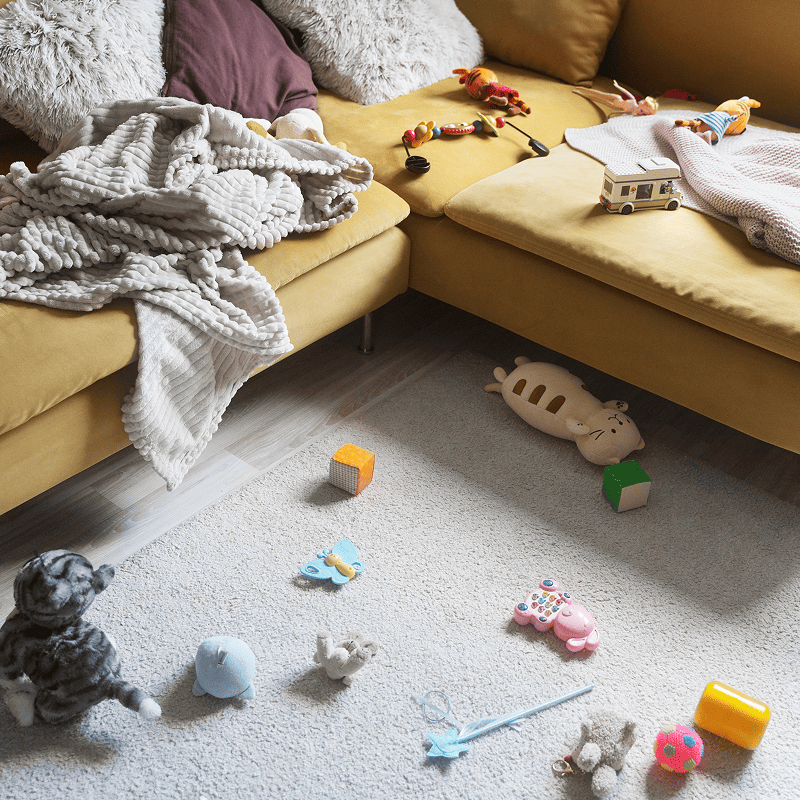
A family of five, two parents with alternating shifts and three kids under eight, hired us after trying several providers. The mother mentioned a recurring problem, toys stacked high on shelves meant dusting never happened up there. Her kids have mild allergies, so the buildup mattered. We tweaked the plan. On week one, we added ten minutes to the living room for a full shelf reset, dust first, then restage. On week two, that time moved to baseboard cleaning in the hallway and a targeted light switch and surface cleaning pass, since little hands live at that height. Within two visits, allergy flare ups eased. More important, the family stopped rearranging their week to prepare for us. The team worked around real life, not the other way around.
Pricing that makes sense and lasts
Everyone wants affordable house cleaning, yet the word affordable means different things to different families. A price that strains a company’s margins will not be sustainable. Turnover climbs, quality slips, and reliability disappears. Fair pricing accounts for living wages, insurance, supplies, travel, and the time it takes to do the job right.
For context, in many metro areas a two person team will cost in the range of 110 to 180 dollars for a small apartment, 160 to 260 for a mid sized home, and 240 to 420 for larger homes or deep work. Expect higher rates in city centers and for homes with pets, heavy buildup, or special surfaces that require slower methods. Ask your residential cleaning company to explain how they price square footage versus room counts, and whether the rate is time based or task based. You will get a clearer picture of what reliability costs when you understand what it funds.
If a quote seems unusually low compared to market, get curious. Are cleaners employees or independent contractors, is there training and supervision, and does the company carry liability insurance and workers’ compensation? Reliability has real inputs, and those inputs are visible when you ask the right questions.
What makes a cleaner truly professional
There is a difference between someone who once helped a friend tidy an apartment and a trained professional cleaner. The pros are methodical. They know how to neutralize odors without layering fragrance, how to spot mineral deposits versus soap scum, how to polish chrome without fogging it, and how to mop a waxed floor without lifting finish. They pack tools that shorten the work but never cut corners, like a grout brush with nylon bristles that will not scratch, a vacuum with a HEPA filter for allergy control, and microfiber in multiple colors to prevent cross contamination between bathrooms and kitchens.
Professional house cleaning is also about boundaries and communication. The best cleaners will not move heavy furniture alone for safety reasons, they will decline to clean mold infestations that require remediation, and they will flag damage so you are not surprised later. If an area is not safe to clean, they will tell you and propose options. That honesty is another form of reliability.
Preparing your home the smart way
You should not have to stage a photoshoot to get good results. A light reset helps, nothing more. Clear dishes from the sink when possible, pick up floors so vacuums can create a clean edge, and note any special instructions. The right company will handle the rest, including dusting and sanitizing surfaces that are reasonably accessible, bathroom cleaning, kitchen care, and floors.
Here is a short, simple prep checklist that helps families get the most from each visit without losing an evening to it:
- Put away valuables and medications where you prefer them stored Tidy counters enough to give cleaners a working surface Place fresh linens on beds if you want them changed Crate or separate pets if they are anxious around vacuums Leave a brief note or text for any one off priorities
That five minute investment pays off. Crews can focus on professional cleaning tasks rather than moving piles from one spot to another, and you see the improvements that matter most.
Health, safety, and products that fit your home
Good companies source products with your household’s needs in mind. Families with infants often prefer low scent options. Homes with respiratory sensitivities may need a fragrance free, hydrogen peroxide based sanitizer in bathrooms and a neutral pH floor cleaner for sealed wood. If you have marble or travertine, acid based products can etch the surface, so the team should use stone safe solutions and more elbow grease instead of harsh chemistry.
Sanitizing versus disinfecting is another area where expertise shows. You do not need hospital level disinfectant everywhere. In most homes, sanitizing high touch spots and routine bathroom cleaning with a product that has an EPA registration for bacteria and viruses is enough, provided the product is allowed a proper dwell time. Overuse of heavy disinfectants can irritate skin and lungs, especially with kids and pets. Your home cleaning service should calibrate, not carpet bomb.
Safety is also about access and equipment. Extension poles for high dusting reduce ladder use. Color coded cloths prevent cross contamination. A crew that brings its own HEPA vacuum controls dust better than most residential units. If you prefer your vacuum, say so, but check the filters and bags so the team can deliver their best work.
Choosing the right partner for your home
Families often ask how to tell a reliable provider from an average one during the first call. You learn a lot from questions and from how a company responds when pressed for detail. You should hear clear, confident answers about training, insurance, quality control, and scope. If a salesperson cannot explain how bathroom grout is maintained or what kitchen deep cleaning includes, that is a clue.
A quick framework helps during evaluations:
- Ask for the written scope for standard, deep, and move out cleans Confirm employees versus contractors and the type of insurance carried Request a sample quality checklist and how re cleans are handled Ask about team consistency and backup plans for sick days Clarify which supplies they bring and which you should provide, if any
You are not trying to test them, you are trying to see their system. A strong residential cleaning service is proud to show it.
Special cases and how pros handle them
No two homes are the same. That is not a slogan, it is a practical truth. Several scenarios call for a tailored plan.
- Post renovation dust travels. Even with plastic barriers, drywall dust finds shelves, inside drawers, and HVAC returns. A professional crew will plan for two passes, first a heavy dust and vacuum, then a second visit to catch what settles. If someone promises to fix it in one trip, expect frustration. Homes with multiple pets need extra attention on floors and upholstery. Vacuums with motorized brush heads and sealed systems matter here. Baseboard cleaning may need to happen more often because pet hair clings to trim. Enzyme treatments help with odor, but you need time and repeated applications for set in spots. Allergy sensitive families will benefit from a team that prioritizes HEPA vacuums, fragrance free products, and light switch and surface cleaning each visit. The allocation of time shifts slightly, more dusting, more high touch sanitizing, less emphasis on decorative polishing. Older surfaces require gentler methods. Brass fixtures with worn lacquer, original windows with delicate glazing, and floors with thin finish can be damaged by overenthusiastic scrubbing. Pros test in inconspicuous spots and slow down rather than risk harm. Busy travel schedules often mean last minute reschedules. Look for a home cleaning company that offers text based scheduling and clear policies. Life happens, but predictability keeps everyone on good terms.
Why details like baseboards and switches matter
Baseboard cleaning and light switch and surface cleaning can feel like extras until you live with the difference. Trim collects dust that migrates into air with every footstep. Switch plates and remote controls are bacterial hubs. In a busy household, those areas affect both how the home looks and how healthy it feels. You do not need them detailed every week if your home is lightly used, but in homes with kids and pets, a consistent rotation keeps things fresher with minimal extra time.
Dusting and sanitizing are not interchangeable, and a professional crew treats them differently. Dry dusting lifts particles. Sanitizing reduces microbes to safer levels. On a bookshelf, dusting makes sense. On a bathroom faucet, sanitizing counts more. Knowing where to do which is the kind of judgment you pay for, and it is the reason well trained house cleaners work more efficiently than most homeowners even with the same tools.
Respect for privacy and routine
Inviting a team into your home is personal. Trust grows when cleaners respect boundaries and communicate. The best companies photograph damage with permission to document pre existing conditions, label keys by code rather than address, and train staff never to open closed drawers, jewelry boxes, or private cabinets. If a room is off limits, it stays that way. If alarms are set, https://scrubclubmn.com/ codes are protected. These are small practices that signal serious professionalism.
From first visit to steady rhythm
The first visit sets the foundation. Plan for a longer session to reset the house. In our experience, that first deep clean takes 30 to 60 percent longer than a regular service. We map the home, note surfaces and trouble spots, verify which products are safe, and confirm the order of operations. By the second or third visit, the team moves faster and consistency climbs. Keep quick notes flowing both ways for the first month. After that, a reliable pattern emerges and you stop thinking about it.
The quiet return on cleanliness
A clean home reduces friction in daily life. Mornings move faster when the sink is clear and lunch containers are not hiding under a stack of pans. Homework happens more easily at a wiped table. Bath time ends without the mildew smell that says you are behind again. None of this is glamorous, but it is profound. A good residential cleaning service puts these small wins on autopilot so you can use your energy elsewhere.
When you find reliable house cleaners, you feel it in the rhythm of the week. The house is not perfect, but it is cared for, and so are you. That is the difference you are paying for. Not the gleam of a faucet, but the margin to focus on people and projects that only you can do.
Final thoughts for families choosing a partner
Look for a provider that treats cleaning like a craft and a relationship. Expect a clear scope, trained teams, and a plan for the quirks of your house. Ask for transparency in pricing, not just a low number. Favor consistency over flash. Whether you opt for a solo cleaner or a larger residential cleaning company, prioritize communication and proven systems.
A well run home cleaning service is not a luxury reserved for rare occasions. For many busy families it is a practical tool, as essential as a shared calendar or a dependable car. When it is reliable, it fades into the background and your life gets a little easier, week after week.